Showing posts with label insulin pump. Show all posts

Thursday, 28 November 2019

Lecturer Lola

Distant view of Christ the Redeemer above flowerbeds
Rio de Janeiro, April 2019
My ex-colleague who was the last-but-one Diabetes Dietitian Team Leader now works for a University offering a Masters postgraduate course in Diabetes-related stuff (I think it probably has a better name than that). She asked me if I would deliver part of one of their modules, all about insulin pump therapy. My bit would obviously be about diet and pumps, and it sounded interesting and within my capabilities, so I said yes.

She had already told me that the previous person who delivered this bit of the module was far too technical and the students were completely baffled, and when she sent the materials from that session I had to agree. Part of it was the same as the course I attended a few years ago that resulted in one of my most technical blog posts ever, and I wasn't even sure I understood it all. Another part of it was the same as another course I attended which produced another fiendishly complicated blog post.  To offer that to a group who are just getting to grips with the basics of pump therapy was pretty inappropriate.

So I started from scratch and created three hours of material at a basic level to cover three areas: what happens to your blood glucose when you eat and drink, how best to use the features of an insulin pump to deal with that, and what the pump can do for you when you exercise. It has taken up pretty much all of my free time in the last two weeks, but I was pleased with what I came up with, which included interaction and activities that I hoped would keep everyone awake and interested.

While I was doing that there was the distraction of having to go to work for two days each week, which also entailed supervising two different dietetic students on their final placements for their degree course. I had a pretty poor experience in two out of three of my placements, which makes me a terrible supervisor because there's no way I would put anyone through that. But I had to do extra hours and I had less time to do my own work. And there was quite a serious incident with a colleague that has led to me having to refer a complaint up to the Dietetic Manager (seeing as we don't have a replacement Diabetes Dietitian Team Leader since the last one left). So work isn't my favourite place at the moment.

As well as Monday and Thursday badminton and the regular Tuesday Buddhism and a film accompanied by live music on Wednesday (in a Leamington venue called Temperance that is rapidly becoming a favourite) and a trip to see mum and dad, I went away for another weekend retreat where I met lots of lovely Buddhists who restored my faith in humanity. One of the people leading the retreat was the man who played a part in setting up many of the small local groups, including ours in Leamington (known for historical reasons as the Warwick group). He was happy to spend some time with me so I could pick his brains for ideas about nourishing and sustaining our group, attracting more members and generating both enthusiasm and funding. I have come back with ideas spilling out everywhere and nowhere to put them. My pleas for a Warwick group team meeting have so far come to nothing.

So yesterday I finally delivered the material I'd created to a group of nine students, including three from the Middle and Far East and two podiatrists as well as local doctors and nurses. I actually thought it was the most successful teaching session I've ever done. The activities I planned went really well, several times people asked questions which were answered in the very next section, and the timing was perfect. Unfortunately, back when I was asked to do it I was told that this was the last time the module would be delivered as they are updating and changing the course, but when the new course is ready maybe there will be something similar, and maybe they will think of me.

Distant view of Christ the Redeemer from the Botanical Gardens
Rio de Janeiro, April 2019

Wednesday, 1 August 2018

Closed loop insulin delivery

Interesting tandem cyclists on their Grand Tour, July 2018
In the world of Type 1 diabetes, the holy grail (apart from a cure) is the 'artificial pancreas' - a way to control blood glucose levels so that they resemble as closely as possible those of a non-diabetic person. There are a few barriers, however. One is the subcutaneous delivery of insulin analogue into the peripheral circulation rather than endogenous secretion of insulin from the pancreas directly into the blood vessel serving the liver. Another is the role played by other pancreatic endocrine hormones, principally glucagon, which may or may not be affected by autoimmune beta cell destruction. The third is the minute by minute nature of physiological insulin and glucagon adjustment, which cannot reasonably be replicated by a human being.

The best case scenario which is licensed and available to a person with diabetes (PWD) at the moment consists of a Continuous Glucose Monitoring (CGM) system linked to an insulin pump, which alerts the PWD when glucose levels are rising or falling outside certain parameters. One system available in the UK will suspend insulin delivery when low glucose levels are predicted (low glucose suspend), but the PWD is always expected to manage the situation. They still have to pay close attention to carbohydrate intake, estimating insulin for meals, drinks and snacks, taking account of any number of other factors such as weather, health, activity, location of insulin delivery site, time of day, when you last ate, what you've just done, what you're going to be doing next, and more. It's still a full time job for someone with diabetes.

The situation described in the paragraph above is known as 'open loop' - the CGM and pump provide information to the PWD who is the third party in the loop, and who must make the vast majority of the decisions on insulin delivery. If it were possible to monitor glucose levels minute by minute and automatically deliver the 'right' amount of insulin without consulting the PWD then the huge burden of continuous glucose management and insulin delivery would be lifted. The pharmaceutical companies are working on this artificial pancreas idea, which is more accurately known as 'closed loop' (because it isn't really anything like an artificial pancreas at all). There is one system (not yet available in the UK) will adjust the background insulin up and down according to the CGM results, which is the first licensed partial closed loop option.


Insulin is what keeps people with Type 1 diabetes alive, but it can also do great harm if the wrong quantity is delivered. As you can imagine, ensuring that the closed loop algorithm used by the CGM and pump combination is 100% safe (or safe within whatever boundaries are required by the licensing authorities) is a huge regulatory burden, given that this equipment cannot be restricted to sensible or intelligent people.

So there is a movement which has adopted the slogan #WeAreNotWaiting. People with programming knowledge and open source software are getting on with the job, and have produced their own unlicensed closed loop solutions using the technology that's already available. The three necessary components are a CGM system, an insulin pump, and a device to communicate with both and run the algorithm. A fourth element is cloud storage, mostly for reporting and analysis, but also for third party monitoring (a parent seeing real-time results for a child, for example).


Anyone with a modicum of technical skill and some disposable income can create a closed loop system using these components, and the results I've seen are sometimes astonishing - not quite non-diabetic blood glucose levels, but so much closer. The reason for the disposable income is obviously that being unlicensed, the total solution is not available or supported within the NHS, although the pump and the CGM system might be, and the algorithm and cloud storage are free and open source and can run on a mobile phone.

I've been trying to understand the technology for a while, and I joined a Facebook group relating to looping in the UK. There I discovered that one of our patients has set himself up with a closed loop, and I invited him to come and show us what he's been doing. He didn't respond to the invitation, but another slightly less local person did, so we arranged for him to come to the Diabetes Centre at a time convenient for the two consultants, three nurses and myself. And he did come, and so did I, and the nurses were there too, but neither of the consultants turned up.

Our guest was extremely helpful, and brought along some examples of the different bits of kit that can be used, as well as a presentation that took us through it all.

The choice of other components depends on the type of pump, so that is where to start. Then there are options for how to run the algorithm, which can be on a bit of specialist kit (RileyLink, Linux) and/or a phone (iPhone, Android). The AndroidAPS is the one I understand best, but perhaps that's because I'm not familiar with the iPhone, Linux or the Apple watch and have no idea what RileyLink is.


There isn't usually a problem with the CGM end because almost all of them will do, it's just a question of budget and availability - all the Dexcom CGM systems work, as does Medtronic. The Libre needs to be adapted to turn it from 'Flash glucose monitoring' to true CGM, which can be done using one of three devices: MiaoMiao, Blucon or LimiTTer. Our guest brought the MiaoMiao option so I've seen that, but I don't know what the other two are like.

There are some variables to consider, including three levels of glucose - minimum, maximum and target - and at least two levels of temporary basal rate, so that the algorithm can adjust its behaviour according to these parameters. The AndroidAPS option is more structured than the other two, because it guides the user through 'gates', introducing more features gradually and providing access to the next feature only when the previous step is successfully implemented.

The potential benefits of closed loop are longer times in range, fewer hypos, improved HbA1c, and less effort day-to-day required to achieve these results. The downside is the cost, the effort required to set the system up in the first place, and the possible mental strain of maintaining your unlicensed technology. Your diabetes team may have little or no knowledge of what is involved, and this may be a problem, but I hope that awareness is rising. It is very likely that a looper would be asked to sign some sort of waiver which will absolve the professional team of liability should something go wrong - these documents are being considered and consulted on in my region as I write.

Joining the 'Looped UK' Facebook group has given me a lot of information and access to UK expert and non-expert volunteers. Clearly each PWD is expected to manage their own technology, there is no commitment from the group's volunteers to provide help or support, but they can be extremely helpful in answering questions, showing how it's done and helping with the trickier aspects of the setup. 'Information days' and 'Build days' take place occasionally to help new loopers, and I'm hoping to attend one soon to find out even more.

Wednesday, 7 February 2018

Another insulin pump

Butterfly on leaf
Krakow Botanical Gardens, July 2016
There are a number of different insulin pumps available on the UK scene - unfortunately one fewer than there were last week, as one company (Animas) has withdrawn from the pump market. We support three different pumps in our service, although the majority of people use one particular brand (Roche). A training day was offered by Medtronic, one of our less used suppliers, and all three of our nurses, one doctor and I attended to learn more about how the pump is used and about some other associated products.

It's a 'tubed' pump, which means that a tube carries the insulin from the reservoir in the pump down to a cannula inserted subcutaneously. [Tubeless or 'patch' pumps (like the Omnipod) are mounted directly onto the skin with the cannula on the underside of the pump.] A blood glucose monitor communicates with the pump, and an insulin calculator is integrated into the pump rather than the monitor. The main consequence of this is that the pump has to be accessible for anything other than a preset bolus amount - the other brands we use can stay hidden under clothing as all their functions can be operated from the blood glucose monitor alone.

Aside from this one drawback, I like the Medtronic pump. It has potential beyond just being an insulin pump because it can be hooked up with an integrated Continuous Glucose Monitoring (CGM) system. This allows for anticipation of low blood glucose (hypoglycaemia) and the pump can actually suspend insulin delivery for up to 2 hours ('low glucose suspend'). It can do this automatically or with user input, with or without alarms, day or night. This has been shown to prevent hypos without leading to high blood glucose afterwards.

'Low glucose suspend' kicks in when blood glucose is within 3.9 mmol/L of a user-selected 'Low Limit' and predicted to drop to less than 1.1 mmol/L above the low limit within 30 minutes. So if the user selects a low limit of 3.4 mmol/L, insulin can be automatically suspended if 4.5 mmol/L is predicted when blood glucose is 7.3 mmol/L, as measured by the CGM sensor which is monitoring glucose levels through another cannula. Insulin is restarted either when the user intervenes, or when blood glucose is predicted to rise 2.2 mmol/L above the low limit within 30 minutes, or after a maximum of two hours. I started to argue about why the user-specified low limit couldn't be the actual prediction (4.5 mmol/L) rather than 1.1 mmol/L below it (3.4 mmol/L), but our tutor wasn't following my argument so I had to abandon that line.

We looked through the pump's menus, set up two basal patterns, set temporary basal rates, entered blood glucose levels, delivered different types of bolus and generally learned about all the different settings. We were shown different cannulas and inserters and stabbed ourselves with those, and then looked at the reports that can be produced, both with and without the associated CGM trace. They left this bit until the end, and I would have preferred a bit more time to work out what the reports featured, where the most useful and important information could be found, and a bit more practice at interpreting the tables and graphs.

The chap leading the training day was a healthcare professional who works for Medtronic and goes out to patients to start them on pumps, review, or troubleshoot. He also has Type 1 Diabetes himself, and uses a Medtronic pump. Occasionally he would throw in some personal experience about how he would manage a situation himself. Nobody, and I mean nobody that I have met through our diabetes service (or elsewhere) treats their diabetes in the way that he does. "But if I don't do it like this I'll have a higher HbA1c [i.e. worse control], so why wouldn't I?" he said. True, but he is in a bit of a unique position, understanding his diabetes and how the pump works as he does. And he seems more motivated to manage his diabetes than almost anyone I've met.

[For those who know about the numbers, he tested his blood glucose about an hour before lunch, it was 7.1 mmol/L with no active insulin on board and he gave himself a bolus of less than one unit of insulin. "My target is 5.5, I've got the technology, so why not?" he said.]

This company is aiming at development of the technology beyond the 'low glucose suspend' option. They have plans for a 'hybrid' system that will adjust basal insulin all the time according to CGM results, not just when blood glucose is dropping. Bolus insulin for food will still be down to the user, which distinguishes the hybrid from the 'artificial pancreas' level of technology (which does exist but is still too experimental for mainstream use).

At the end of the day we were also reminded of another bit of kit that the company produces, which consists of a cannula that can be worn for up to three days (like a pump or CGM cannula). This one, however, is designed for manual injections, so its function is to enable someone to give all their multiple daily injections for three days through the one device. The obvious benefit of this device is fewer skin-piercing injections; the downside is that by the end of three days the effectiveness of insulin injected in the same spot can fade a little, and the risk of developing lipohypertrophy ('lipos', or fatty lumps) is higher.

The sales pitch suggested that this is a device that would benefit everyone, but would it benefit someone who is doing well and doesn't mind multiple injections? Such a person would be moving their injection site around, wouldn't risk lipos and wouldn't experience the decrease in the effectiveness of their insulin. Balanced against that is the benefit of reducing the unpleasantness of multiple injections. It's difficult to judge the psychological strain of many injections compared with one cannula for three days, but so far I haven't started pushing this device to patients.

Wednesday, 24 May 2017

Matters arising

Cornflower bud
April 2017
After the parking episode described recently, I think I have not written about my other parking issue, because parking is one of the least interesting and most discussed issues of modern times. Outside my garage there is a white line to indicate that parking is not permitted across the entrance. As we have seen when it was removed by the re-surfacing works this line served a useful purpose, but it was only just long enough, and cars parked legally would slightly obstruct the garage entrance, but not enough to stop me getting in and out. I wrote about this briefly in a previous post, and eventually did contact the council's white line department to ask if it could be lengthened, to which they said 'No'. However, after the re-surfacing work the line was re-painted at the longer length that I had been asking for. So that's interesting. Or, more accurately, it isn't. Enough with the parking already.

I went to a local meeting. Some money has been allocated to be spent on improvements to the park at the end of my road, and the council thought they'd ask the locals what they would like. There was already a prototype group to ask, because the Friends of the Park had been convened when the park was threatened with being taken over by cars, caravans and motor homes during the National Bowling championships in the summer. It was a good meeting, and surprisingly good humoured and constructive. The main problem seemed to be the newly installed skate park, which is very popular and attracting swarms of local 'yoof', but is also attracting their litter despite the many litter bins in the vicinity.

The yoof in attendance were polite and well-spoken and made good points. There were also representatives from the bowling club, the tennis club, local dog-walkers, parents and runners who are the main constituency of park users, as well as all the candidates for the local election taking place a couple of days later. It looks as though the most likely purchases may be outdoor gym equipment (but there is a separate pot of money that may fund this anyway) or a refurbishment of the under-used tennis/cricket pavilion to make it more usable for e.g. a cafe. My previous local councillor who I can no longer vote for was there, and I took the opportunity to thank him and express my regret that he would no longer be representing me.

Work news: I delivered the 'short carb counting course' pilot. Prizes are available for anyone who can come up with a better name - my best shot at the moment is Candi, which stands for Carbs and Insulin. This comprised four hours about carb counting extracted from our usual four days about Type 1 Diabetes, to deliver to people who can't spare four days and maybe don't have Type 1 Diabetes. We had five attendees and I think it went well. I have yet to look at the feedback sheets.

We also had a small meeting attended by our business manager, two doctors, three nurses and me. It was supposed to discuss the future of the insulin pump service, which is set to expand by about 10% every year. As usual the meeting was utterly pointless and did not result in any useful discussion or conclusions, but it was quite a nice social event within the department. We are having a follow-up meeting with just three of us, which may be more constructive. All I actually want from the meetings is to understand how our service is funded and managed. It doesn't seem much to ask, but so far I have failed to achieve even this small advance.

Two CPD courses for me last week as well - the first about Clinical Audit presented by one enthusiastic and knowledgeable man and one girl whose presentation style was simply to read out loud the text written on each Powerpoint slide. I tried to be constructive in my feedback, but she was terrible. I discovered quite a lot about Clinical Audit, including the fact that what I planned for evaluation of the short carb counting course isn't Clinical Audit at all, it's Service Evaluation. The other course was a compulsory three-year update on DESMOND, the Type 2 patient education product. Also very interesting, and delivered in the same rooms of the same hotel as the first big Techshare conference that I helped to launch and run in the 1990's.

Much leisure activity to report - the music group continues, with the prospect of me being the sole baritone saxophonist at the July concert because my fellow saxophonist has a previous engagement. There are significant exposed baritone solos in the pieces we are playing, and I am not at all confident of successful delivery, seeing as how I'm really not very good at playing the beast even though it is enormous fun.

I also spent a whole day with the Buddhists at our usual venue - a nearby village hall - and the weather was lovely and we did some meditation, some chanting, some discussion and another 'puja' ritual. I still don't think I'll be joining in with the rituals any time soon, but for the first time I really felt that I had made progress with the meditation. It's been so gradual that it's hard to detect, but it feels easier to do and in my everyday life I am employing some of the positive behaviours that it's supposed to promote, and and feeling better for it.

The LTRP took a step forward with the rebuild of the airing cupboard, which looks lovely and needs only to be painted. While they were here the carpenter and his mate were kind enough to carry my filing cabinet upstairs to the new office, about which I am disproportionately excited. I also went back for a second meeting with the woman from the alternative kitchen supplier who has very strong views on her products and doesn't mind sharing them, and who speaks very loudly. I am trying not to be too influenced by these factors and to focus on the content rather than the style of delivery.

Tuesday, 9 May 2017

Bolus advisor masterclass part 2: Post-prandial correction

Owl at the entrance to his burrow
Cotswold Falconry Centre, April 2017
The first instalment of feedback from the recent course I attended was mostly about adjusting insulin dosage to account for fat and protein content of meals. The second half of the course left several delegates behind...

Post-prandial correction doses


This was by far the nerdiest section of the course, and took quite a bit of concentration and asking the presenters to 'just say that again more slowly.' It was all about how the bolus advisor technology built into blood glucose meters and insulin pump handsets works out correction doses of insulin when blood glucose is high following a meal.

Unless you have a fully functional pancreas, you cannot avoid your blood glucose rising after a meal, even if you have injected the 'right' amount of rapid-acting insulin. Trials have shown that for the rapid insulins currently on the market, the ideal time to inject is 15-20 minutes before a meal. This is usually impractical, because you don't know how much insulin you will need until the food is in front of you, and then you don't want to wait 15-20 minutes before eating it. So the period when the injected insulin is reaching the peak of its action ('offset time') lags behind peak glucose entering the bloodstream, and this is one reason why post-prandial blood glucose tends to rise more than for a person without diabetes ('meal rise'). But if you've worked out the right amount of insulin, your blood glucose should return to 'normal' levels within four hours, which is the 'acting time' for rapid insulin.

So if you monitor your blood glucose less than four hours after your last bolus or injection, the blood glucose level that you see may actually decrease further without any action from you, due to 'insulin on board' - active insulin still in your system. So how do you know whether to correct it or not? At any time within four hours of your last injection, how high is 'too high'?

Imagine a scenario where your blood glucose level is within the ideal range before a meal, you have counted 60g carb in your meal and your insulin to carb ratio is 1 unit for every 10g - this means you will need 6 units of insulin. Roche told us that other manufacturers' algorithms assume that all insulin injected is 'active' insulin. So if your correction ratio is 1 unit of insulin to reduce your blood glucose by 3 mmol/L, then immediately after the meal your blood glucose could be up to 18 mmol/L higher than its pre-meal level and you would not be advised to take a correction dose because of the 6 units of active insulin. Roche also told us that other manufacturers assume a linear reduction in blood glucose, so after 2 hours your blood glucose could still be up to 9 mmol/L higher than the pre-meal level and no correction would be advised.

Fig 1. Correction is not advised if blood glucose falls below the line
This is not good. Even in the worst case scenario, blood glucose should not rise this high after a meal. There's no perfect number to aim for, but (assuming the meal wasn't Frosties) I would be happier with a meal rise of no more than 4 mmol/L, and 3 mmol/L would be even better.

Roche's algorithm makes quite a different set of assumptions, the main one being that only pre-prandial correction doses (insulin injected because pre-prandial blood glucose is too high) count as active insulin after the meal. Insulin injected for carbs is accounted for, and is not available to act on a high post-prandial blood glucose level. They say they have evidence to support this assertion.

So for Roche, a correction is required if the blood glucose rises higher than the 'meal rise' setting during the 'offset time'. After that a linear decrease to the pre-prandial level by the end of the 'acting time' is assumed. If meal rise is set to 4 mmol/L, offset time is 1 hour and acting time is 4 hours, then a blood glucose rise of 9 mmol/L at 2 hours would definitely suggest a correction. The shorter the offset time and the smaller the meal rise settings in the handset, the more aggressive the correction regime. For someone frail and elderly or prone to hypos it makes sense to have a higher meal rise and a longer offset time, to minimise risk of over-correction and hypoglycaemia.

Fig 2. Correction is indicated for the same post-prandial blood glucose level as Fig 1

Blood glucose correction after snacks


This was the hardest part of the course to understand, and therefore to explain. It would be so much simpler if people with Type 1 diabetes didn't eat between meals! But given that they do, they need advice on whether to correct blood glucose after a snack. The aim of the 'snack size' setting is to determine whether to apply a 'meal rise' and 'offset time' or not.

The 'meal rise' setting doesn't change depending on the size of the meal; it is the same whether the meal is small or large. So the 'snack size' setting is the carb threshold between applying a meal rise or not. If 'snack size' is set to 20g of carb, then for snacks up to this amount correction will be indicated afterwards if blood glucose is above the line in the previous graph. If a 'snack' 2 hours after a meal contains 30g of carb then the meal rise is applied at that point and a new graph is drawn, with corrections only advised for blood glucose levels above the new line.

Fig 3. Presence of the meal rise allows post-prandial blood glucose to be higher without advising correction

This is pretty sophisticated stuff, and I'm pretty sure that none of our patients understand how these settings are used. I'm only just working it out as I write this. What it boils down to is that most people using a basic type of meter have to take a stab in the dark when correcting post-prandial blood glucose levels, but people who are using this technology should get a good indication of whether to correct and how much insulin to give, as long as the settings have been adjusted to meet their particular requirements.

I always try hard to make sure that the main insulin to carb ratio and correction factors are right, but I have been less attentive in the past about the meal rise and snack size, because up to now I didn't understand what they were for.

The last point to mention is what we can do for people using pumps and meters that use the linear algorithm in Figure 1, which don't give useful advice about post-prandial correction. The team delivering the training suggested shortening the acting time setting to 3 hours instead of 4, because then at least a few more high blood glucose levels will fall above the line. This is not ideal, but the best they could come up with.

Wednesday, 3 May 2017

Bolus advisor masterclass part 1: Counting fat and protein

Market stall 'CARNES' with hanging sausages
Seville, November 2016
It's been a few weeks since I attended this course, and it's time to assemble my thoughts and learning points. It was a terrific day and I certainly learned quite a lot, most of it very relevant to my work with people with Type 1 diabetes. In fact, two days after the course I was passing on some of the information to the group I was teaching at the time.

It is important to note that the day was hosted by one particular pump manufacturer, Roche, so there is a likelihood of bias. Having said that, I think the majority of information supplied was correct - it would be fairly straightforward to check, although I haven't done so. The first topic covered in the day was a comparison between the specifications and capabilities of the different insulin pumps on the market. Then we focussed on the algorithm that each manufacturer uses to guide the user in the amount of insulin to give in various circumstances: for exercise, for high fat and protein meals, and to correct high blood glucose levels after a meal or snack.

Exercise


The guidance around exercise wasn't very different from what we already advise - if you're exercising within 90-120 minutes after a meal you could give less insulin for the meal; if not then you'll probably have to eat or drink some carbohydrate to prevent blood glucose dropping, and if you're using an insulin pump you've also got the option of reducing background (basal) insulin. I've written extensively and comprehensively on the knotty topic of exercise and Type 1 diabetes. It's a challenging area, and management.is very individual. All the pumps work in a similar way, although the Roche handset has some features that help with the mathematics of percentage reductions.

High fat and protein meals


OK, this is going to start getting technical (although nowhere near as nerdy as the section on post-prandial correction doses in part 2).

For people with Type 1 diabetes, the evidence suggests that best management of blood glucose levels, and therefore long-term health and freedom from diabetes-related complications, comes from matching insulin injected and carbohydrates consumed. (Just for contrast, the approach for people with Type 2 diabetes in the first instance is weight loss).

The first point that hit home during the course was that although we focus on counting the carbohydrate in a meal, there is a contribution to blood glucose that comes from the protein and the fat in a meal. When we focus on carb counting, there is an unspoken (and for me until now, unrecognised) assumption that the meal is constituted of a 'normal' proportion of carbs, fat and protein. I actually know this to be true, because we have found when someone with Type 1 goes on a very low carb diet they need more rapid insulin with meals than the carbohydrate content would suggest.

Fat and protein have another effect alongside their contribution to blood glucose levels - they also slow down the digestion of carbohydrates. The action profile of insulin can't be adjusted to suit the meal composition - rapid insulin has a fixed onset, peak and acting time that doesn't change, so giving insulin in the standard way before a meal when it's a high fat/protein meal doesn't work very well, and post-prandial blood glucose often ends up way higher than one would like.

Up to now, conventional wisdom suggested that for a high fat meal carbs should be counted as usual, but the matching insulin dose should be delayed and/or split (if on injections) or spread over a longer time period (if on a pump), to account for the delay in digestion and later peak in post-prandial blood glucose. This course not only suggested that more insulin is needed because of the greater contribution of fat and protein to blood glucose, but gave some useful guidelines on how much more is needed, and how it should be delivered.

Six different high fat/protein meals were listed: fish and chips, Indian and Chinese takeaway, pizza, pasta with creamy sauce and fast food (McDonalds, KFC etc).  The following procedure was recommended separately for each.

As a first attempt, you should give 25% more insulin than you need for the carbs and deliver 50% at the start of the meal, and 50% an hour later (if on injections) or over 2.5 hours (if on a pump). Then, to see if these percentages are right, you should monitor blood glucose at 2.5 hours and 6 hours without having any more food or insulin. This will work best if your blood glucose level is within the normal range before the meal.

The 2.5 hour test is to find out whether the 50/50 percentage split is right. If blood glucose at this stage is more than 4 mmol/L higher than it was before the meal, then more insulin is needed up front - they suggest increasing by 20% at a time (i.e. switching to a 70/30 split next time). Conversely, if blood glucose is lower at this point than before the meal, the split should be changed to 30/70.

The 6 hour test is to find out whether the 25% extra insulin is right. If blood glucose at this stage is between 2 and 6 mmol/L higher than before the meal, next time add on another 10% - instead of 25% extra, add 35%. If at 6 hours blood glucose is more than 6 mmol/L higher than before the meal, next time add on 20% (to 45% extra). Conversely, if blood glucose is lower at this point, then next time knock the percentage down by 10% to 15% extra.

Multiple experiments may be needed to get the best results! Apparently parents are often taken aback when their Type 1 children come home from a carb counting course and assert that they've been given homework that requires them to eat fish and chips, takeaways and fast food.

Coming soon: Part 2 will contain even more technical stuff about how to manage post-prandial correction of high blood glucose levels.

Sunday, 26 June 2016

Exercise and Type 1 Diabetes: part 2

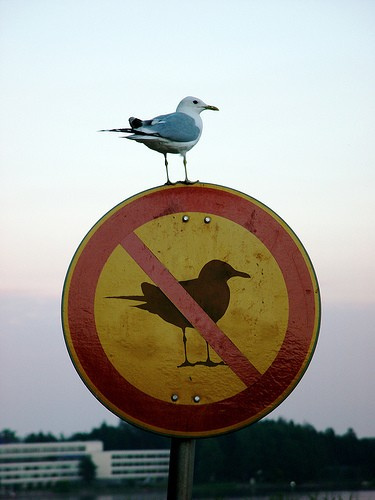
A gull standing on a sign indicating No Gulls
A picture I found on the Interwebs that amused me
In part 1 I tried to set out the problem of exercising with Type 1 Diabetes (T1D) - in brief, keeping blood glucose levels within reasonable bounds while hormones stimulated by activity are doing their best to frustrate your efforts. Here is part 2, which contains a few things that might help to manage the situation.

Managing blood glucose and insulin


Let’s start with the basic theory. Usually, with low or moderate intensity exercise and some active insulin on board, blood glucose will fall steadily and relatively predictably, and insulin will work more effectively. In order to avoid a hypo then, you would need either to reduce your mealtime insulin at the meal beforehand, or consume carbohydrate during the activity, or both. It is estimated that between 30g and 60g of carbohydrate is needed per hour to fuel moderate exercise.

So you could measure your blood glucose level before and after your activity and see how much it drops – say, from 11 to 6 mmol/L over 30 minutes fast walking 2 hours after a meal containing 60g carbohydrate for which you took half your usual dose of rapid insulin. If on another occasion your blood glucose was only 8 mmol/L before the same activity in the same circumstances, you could predict that carbohydrate would probably be needed to prevent a hypo.

To be able to reduce your rapid insulin dose at the previous meal, the activity needs to be planned or anticipated. Often activity is not planned, in which case there is no option but to eat or drink carbohydrate, unless your blood glucose happens to be high anyway. You can see that this makes it much more difficult to lose weight by exercising than for someone without diabetes. So another tactic that was suggested to help weight loss was to do the activity when insulin levels are at their lowest, usually first thing in the morning, although clearly this also requires an element of planning. But I can’t see how that would work if blood glucose is also at its lowest, because that’s just asking for a hypo, so maybe you’d have to reduce your overnight background insulin so that fasting blood glucose levels are a bit higher than usual. I’m not a fan of messing with background insulin on a day-to-day basis, which I will outline later on in this huge essay.

Blood glucose doesn’t always drop with exercise. If the activity is anaerobic (sprint, weight lifting, resistance exercise at the gym) then blood glucose tends to rise because those other hormones (especially adrenaline) stimulate the release of glucose and increase insulin resistance. In this situation extra insulin may be needed to take blood glucose levels down rather than extra carbohydrate to prevent hypos. A stressful or competitive situation like a football match where adrenaline is a factor may have a different impact on blood glucose compared with regular football training, and may need a different insulin dosing strategy.

This effect can be used to your advantage. If blood glucose before an exercise session is between 4 and 7 mmol/L, then starting with anaerobic or high intensity/stressful exercise may raise blood glucose enough to allow you to carry out some aerobic exercise without the need for insulin or carbohydrate adjustment ahead of time.

So we can start to imagine types and duration of activity and the likelihood of blood glucose rising and falling so that insulin and carbohydrate can be managed before and during exercise. Then comes the aftermath.

There are two effects of exercise on blood glucose after the activity is completed. The first is that glycogen stores in muscles and the liver have been depleted and need to be restocked, which makes blood glucose drop in the hours following the exercise. The other is that activity makes muscles more sensitive to insulin (less resistant) particularly in the period between 7 and 11 hours after exercise – the stress hormones released during activity induce insulin resistance for about 7 hours afterwards. For exercise in the afternoon or evening, this period of greatest hypo potential occurs during the night. Exercising first thing in the morning means the period of maximum hypo risk occurs during the day rather than overnight, which may be helpful.

Ways to manage this hypo risk after exercise include taking carbs on board immediately after exercising, and/or reducing the amount of insulin given for subsequent meals and corrections by about 50%, and possibly also reducing overnight basal insulin (but see below). Another option uses adrenaline to raise blood glucose levels by incorporating a 10-second sprint at maximum exertion level at the end of the period of exercise.

Blood glucose monitoring is the key to managing the amount of carb/insulin to maintain good control after exercise. Some experimentation is likely to be needed, while bearing in mind the poor reproducibility mentioned earlier. Perfection is unlikely to be achieved.

Background insulin adjustment


So far, all the insulin adjustment has been with the rapid insulin that works with carbohydrates that are eaten or drunk. But it is possible to adjust the background (basal) insulin too, and it was at this point that our practice and the recommendations within the study day diverged.

Background insulin works over long periods – from 12 to 72 hours depending on the type. Reducing the long-acting insulin will reduce the hypo risk overnight, so the advice on the course included routinely reducing this insulin both before and particularly after exercise. Doing this will certainly reduce the hypo risk, but on the other hand calculations of rapid insulin will be thrown out of kilter if background insulin is being adjusted day to day, especially if you exercise some days but not others. We didn’t reach any consensus on this point, so I suppose I’d have to look in the research literature to see if there’s anything relevant there.

I can, however, see the point of a basal adjustment for a short continuous period of daily exercise like an activity holiday – skiing, watersports or walking holidays being the most common examples. And I had not considered the pros and cons of different background insulins before – the newer, very long lasting insulins being less flexible if background insulin is to be adjusted. It’s also true that adopting a more active lifestyle will probably reduce the need for total background (and rapid) insulin, but injecting different amounts of long-acting insulin on a daily basis might be problematic.

What about insulin pumps?


So far all the discussion has been based on multiple daily injections of rapid-acting and long-acting insulin. Pumps are a bit different, because they only use rapid-acting insulin, and basal rates can be adjusted hour by hour. So with a pump there’s no problem about reducing background insulin as well as rapid mealtime insulin to avoid the need for extra carbs or to reduce the risk of hypos. This raises the chances of better control as well as being an advantage if weight loss is one of the aims of doing the activity. Reducing insulin is usually preferable to increasing carbohydrate for the ‘ordinary’ person. Proper athletes will want the carbohydrate, though.

The reduction suggested on the course was to set a temporary basal rate (TBR) of 50% for an hour before and up to an hour after aerobic exercise. If extra insulin is needed for anaerobic exercise, the course recommended raising the basal rate by only 10% starting 30 minutes before and lasting until 60 minutes after the activity. The TBR might be reduced again by 10% in that crucial period 7 to 12 hours after the exercise. There are more complicated formulae for calculating TBRs but I will leave those to the serious competitors.

The main downside to a pump is that it needs to be attached to you, and most types are not waterproof. So the pump would need to be disconnected completely for contact sports or watersports, which is really only safe to do for an hour or so. Some pumps can’t be disconnected temporarily, like the tubeless pumps which are actually attached to the skin. This type is usually waterproof for bathing or swimming up to an hour or so, although it clearly wouldn’t be suitable for scuba diving, and might be dislodged in a rugby scrum or during martial arts.

For situations where the pump has to be disconnected for longer than an hour, competitive athletes sometimes connect up with the pump from time to time to give themselves a quick bolus, or revert to the use of basal and bolus injections from a pen to maintain insulin levels on those occasions. When the pump is reconnected then there may be a need for a correction, which could take one of several forms. You could increase the basal rate by 50% for up to an hour, or give 50% of a correction bolus, or even work out how much basal insulin was missed and bolus half this amount. Then, of course, be a bit more rigorous about monitoring and correcting blood glucose levels.

What else?


There are a whole lot more factors that affect management of T1D with exercise, some of which I haven’t mentioned up to now because they are routine, like the need for fluids. Dehydration not only affects athletic performance but can make the blood glucose level appear higher than it really is.

Heat and cold also affect the uptake of insulin from the injection site as they do at any time. The location of the injection site matters because if you’ve injected near a muscle that will be used for the exercise (usually leg or buttock/lower back) then the insulin will reach your bloodstream faster than if you injected in a non-exercising part of the body.

Keen exercisers may use Continuous Glucose Monitoring (CGM) either standalone or in conjunction with an insulin pump. The main point to highlight with CGM is that there is a delay between the readings they give for the glucose in interstitial fluid and the level of blood glucose, which may not matter if you’re in an office and it’s coming up to lunchtime, but may be critical if you’re just reaching the summit of a mountain.

Carb intake: it has been established that the requirement for carbohydrate during moderate intensity exercise is around 1g per kg body weight per hour, i.e. for a 70kg person that would be around 70g per hour. It has also been established that the gut can only absorb dietary carbohydrates at the rate of 60g per hour, so there is no point trying to increase intake beyond this as it will just cause gastro-intestinal discomfort. The difference is made up by the use of stored glucose and fat as fuel.

All foods are not equal, but the question of which carbs to have at what time was not covered in the course. Of course hypos associated with exercise have to be treated with fast-acting carbohydrate as at any other time, and it would make sense to have slow-acting carbohydrate to sustain any prolonged period of activity. Beyond that, I suppose it has to be trial and error with plenty of blood glucose monitoring to find out which foods before, during and after exercise have the best effect on blood glucose levels. Aside from diabetes, the prevailing view is that a mixture of protein and carbohydrate such as cereal+milk, yogurt or meat/cheese sandwich is a good idea post-exercise to replenish glycogen stores and supply material for muscle regeneration and repair.

The overall message I took away from the study day was that exercising with Type 1 Diabetes is very, very complicated if you want to do anything more exciting than up to an hour of moderate intensity exercise in a regular controlled environment like road cycling, a run around the park or an hour in the gym. Competitive athletes need much more insight into their own physiology, but it is possible to compete at the highest level, and one of the diabetes pharmaceutical companies sponsors competitive cycling with the Team Novo Nordisk.

I have had a couple of patients asking me questions about serious exercise, and we have very quickly reached the limits of my knowledge. I don't see that changing much as a result of this course, but perhaps over time I will absorb more on this subject alongside my greater experience in diabetes as a whole.

Wednesday, 18 May 2016

The usual complaining about being busy

Badminton match
Barclaycard Arena, Birmingham, May 2016

Well, it's been a busy time. If it hadn't been for some blog posts I drafted a while ago there would have been a whole lot of nothing new in this space. So I thought I'd just make a quick list of the few things that I might write about that have taken up my time in the last fortnight. Within a minute I had this:

Work


Cover for colleague: group education  and clinic
Type 1 education in new location
DESMOND Type 2 education
Meeting about insulin pump service

Not work


Badminton AGM
Shoulder: nurse/physio
Sports: running, badminton, Fitbit™
Cymbeline
Buddhism/meditation
Water meter
Blood donation
Sunday lunch in the pub
Police and Crime Commissioner election
Clarinet choir
National Badminton League final
St Albans
Disc golf

I should just leave it there and lie down in a darkened room. But I suppose I could expand a little on some of them.

Work


I was asked nicely to cover for a colleague who is off sick, and so far I have said yes to each request, although it means I have not had any period in the last two weeks within which I can catch up e.g. read or respond to emails and telephone messages, write letters etc. It has been made worse by delivering our Type 1 education in a new venue where we don't have access to computers, internets etc. This whole situation is unsustainable. The coming week will be no better, but I am going to use the extra hours I have accrued to take a day off and help mum with some Philatelic Business, of which more may be revealed after it has happened.

The meeting about the insulin pump service was quite interesting. We have been precipitated into a minor crisis by one of our nurses being on long term sick leave. Having coped for rather a long time we are now reviewing what we do a bit more seriously than usual, and it has become clear that the service we provide to people who use insulin pumps is particularly stretched. It was set up in 2006 on the basis of anticipating four new patients a year, and now we support more than a hundred people on pumps with at least one new one every month, not to mention the children and young people that we inherit from the paediatric service. From one consultant clinic once a month we now have two consultant clinics twice a month with no additional funding for nurses or dietitians.

It looked for a while as though a business case was going to be formulated for more nurses but with no reference to dietitians, and my manager has now retired (with a new one recruited but not yet started). So I pitched up at the meeting with the nurses, doctors, managers and finance people, and carried out my self-appointed role which was to add the words "and dietitians" every time the word "nurses" was uttered in the context of needing to fund more of them. Clearly this was irritating enough for them to start nodding in my direction and saying "and dietitians" for themselves. So that worked rather well.

The outcome of the meeting is slightly unnerving because rather than just scope the increased requirement for the pump service, they have decided to scope the requirements of the whole diabetes service at the site where I work. It would have taken an incredibly long time to look at just the pump service, so now we'll have to wait until quite close to the end of time before we get any new money. Not that there is any new money; the finance person revealed that the Clinical Commissioning Group (CCG) who pay for health services is pretty much broke.

Not work


Badminton club #2 has an AGM and stops for the summer. Club #1 is more disorganised in terms of administration - we had AGMs when I was club secretary, but not before or since, and hardly anyone turned up - but at least we play on over the summer. Club #2's AGM is held with a fish and chip supper and then a game of skittles, and was great fun. I sometimes think I can do this socialising thing; I used to be good at it long ago.

My left shoulder is still painful and has hardly improved in the six weeks since my injury, so I finally made an appointment to see a Nurse Practitioner at the surgery, who gave me a form to allow me to self-refer to a physiotherapist. She also advised me to take paracetamol instead of ibuprofen. I look forward to the physio appointment not least for its blog potential. I am not optimistic that the shoulder situation will be improved by physio, but what do I know?

Running and badminton continue, and I have bought a Fitbit™ with my TV watching points (and what do points mean?) but am struggling to operate the software that makes it worth having, which I take to be another sign of the inevitable march towards senility. For those not aware of the latest in fitness technology, a Fitbit is a device, in my case a wristband, which monitors the wearer's activity. I let it count my steps. If you enter the food and drink you consume it will advise on calories in and out; it should monitor your sleep but I can't make that bit work. It has exposed the limitations of my mobile phone, but my contract is about to expire and I'll see if an upgrade will help the situation.

Culture news: I went to see Cymbeline at the RSC in Stratford. I haven't been there since they remodelled the theatre, which is a long time. We had seats in the gods, which in the new theatre entails raised seats a bit like stools with footrests. It was OK to start with, but as the play entered its fourth hour I definitely started to feel a bit fidgety. A little way into the second half one of the friends I came with very suddenly left the auditorium. It turned out that he remembered he'd left the oven on, and had quite a time of it trying to contact various people to check that his flat wasn't on fire. I'd given him a lift so he couldn't just nip back home.

I meant to look up the plot before going but didn't get round to it, but another of the friends I was with had looked on Wikipedia and gave us a quick outline. Unfortunately for us in this production they'd decided to change the sex of some of the key characters, so the Wikipedia description of the king made no sense until we worked out he was now a queen. Also, the white queen and her white consort had managed to produce a black son, which was also rather confusing. Which just demonstrates our ignorance of our literary inheritance. But the play was good, and I'm always surprised at being able to follow the plot despite understanding only about one line in four.

I have a whole blog post about the Buddhism and meditation thing waiting in the wings, so I'll say no more about that. I also had a water meter installed which took no more than fifteen minutes and has reduced my (albeit estimated) water bill to a shadow of its former self. Blood donation went without incident, Sunday pub lunch was enormous and delicious, and the PCC election was pointless. I looked up the candidates the day before but I haven't bothered to find out who won. I take part in elections because I believe everyone must, but I have to admit finding it more difficult to justify this stance with each successive bunch of useless self-serving politicians.

The clarinet choir is good fun, although this time our leader has chosen pieces that stray much too far into the upper registers, to the extent that a much more enthusiastic and committed first clarinettist has invested the thousands of pounds required to buy an E flat clarinet, and I am envious. I am having to look up fingerings for top F's and G's that I haven't used since I was at school.

More badminton: the NBL competition was invented very recently to fill the gap between National teams and ordinary club leagues (the two league teams I play with were both relegated, so I am delighted that we may avoid being beaten into the ground every time I step onto the court next year). Four of these NBL teams battled it out for the top spot on the warmest sunniest day of the year so far, meaning that I spent the majority of the day indoors. It wasn't as good as the International competition in the same venue, but a nice day out. Birmingham Lions beat Loughborough University in the final.

The day in St Albans came about at short notice when Lola II phoned to say she was going there with some overseas visitors on a Tuesday when I wasn't working, so I avoided many of the jobs I was supposed to be doing by joining her there. We went around the Verulamium museum, a Roman theatre and the cathedral with interludes of tea, lunch, more tea and cake.

On Sunday I organised a badminton (club #1) social event to play disc golf, which uses baskets instead of holes and small frisbees in place of golf balls. After a full round of 18 baskets in sunny weather with only one frisbee lost in the river, I was tired out. Not that we're at all competitive (except we really are), I came second last.

And to bring us bang up to date, I have Ilf working in Lola Towers today and within the first hour he changed two door handles, cut another door to allow it to close, finished the unfinished laminate flooring and is now working on the external lights and the kitchen electrics that he condemned last time he was here. I've chased Olf the garage man for the last two jobs, but still haven't looked for an architect to advise on remodelling the ground floor. Mowing the lawn yesterday I was even considering more ambitious plans for the garden!

Sunday, 27 September 2015

Pumping insulin - Part 2

View of the hotel beyond a meadow
Coombe Abbey, June 2015
In part 1 I wrote about the basics of how a pump works in comparison with using insulin pens and MDI - multiple daily injections. Now we come to how I got on with the course, and some fancy features of the pump in more detail.

Tube or Not Tube?


The course I attended was run by a company whose pump delivers insulin to the cannula via a tube. Other pumps, like Mr M's, combine the pump and cannula in one unit and you stick the whole lot onto your body and control it from a separate handset. The pumps that we were using also had a handset that duplicated the interface on the pump and communicated with it via Bluetooth. The benefit of this approach is that when you administer insulin you can leave the pump in whatever inaccessible place you have stashed it - such as in your pants. Some pumps don't have this convenience, so you have to retrieve the actual pump in order to deliver insulin. You probably don't want to be fishing down the front of your trousers at the dinner table so your options for carrying the pump are more limited, and slinky dresses present a similar problem.

Here's a slightly blurry picture - the handset is on the left, and the pump with its tube is on the right.

There are a few different cannula types to choose from, but they all require you to stick a needle into your body. We were given the opportunity to try two types, one inserted manually and one using an insertion gadget, and I was very surprised that I hardly felt the insertion at all. You load the insulin into the pump either using a pre-filled cartridge or by filling the reservoir yourself with a syringe and a vial of insulin. Then you have to prime the tubing to fill it with insulin, connect the tube to the cannula and fill the cannula with insulin, and then it's all set and ready to go. The whole process takes a few minutes, which isn't long, but I imagine could be very annoying if it needs to be done at an inconvenient time.

Cannula, tube and pump connected to yours truly
Obviously I wasn't delivering any insulin through the cannula (I produce my own very nicely, thank you), and we weren't given strips to test our blood glucose. But we were given a pump to wear and encouraged to go through the process of estimating carbohydrate and programming a dose of insulin using the pump or its handset. This is something I'm pretty familiar with given that I've been interested in diabetes for some time above and beyond what the job requires.

12 hours connected to a pump


At dinner we were encouraged to estimate the carbohydrate portions and pretend to bolus insulin using the pump. I tend to forget that most normal people don't do this every now and again just for fun - for some it was actually the first time! We shared our guesses about the carbs in various dishes, and established the kind of variation in estimation that you get when there's no correct answer. But then one of the most enthusiastic pump reps suggested that to try and estimate carbs more accurately we should ask the chef, and then went as far as to haul the chef out of the kitchen to talk to us.

I had a problem with this. "Do you expect the chef to be more skilled at carb counting than a room full of diabetes healthcare professionals, including Diabetes Specialist Dietitians?" I wanted to know. Undaunted, the rep persisted in asking the chef his opinion on the goat's cheese tartlets. The chef obligingly came up with a figure. I continued to make myself unpopular. "What are you basing that figure on?" I asked. "Is it the pastry? How much does the pastry weigh?"

At this point there was a murmur from the room. My questions were perceived as 'a bit much' by some of the other delegates, and sympathy was building for the chef. He was prepared to take me on, though. He said, "I'm basing it on the pastry, and the cheese, and the onion."

"The cheese? But cheese doesn't contain any carbs..."

At this point the enthusiastic pump rep proposed a vote of thanks to the chef, we all complimented him on the delicious spread, and he was hastily bundled out of the room, poor man. Nobody wants a smartarse Dietitian making a chef look like he doesn't know his carbs from his elbow.

Pump features


Lots of the two-day course covered the range of sophisticated features available on this particular pump, many of which are possible on most pumps on the market. These features are designed to help the user decide on the dose of insulin, and deliver it over a period of time rather than in a single injection.

There are quite a number of factors that influence the delivery of insulin in addition to the quantity of carbs eaten - the type of carbohydrate (sweet, starchy, liquid) what is being eaten alongside the carbs (especially fat, protein and fibre content of food and drink), the size and duration of the meal (quick breakfast before work or three leisurely courses at a dinner party), time of day, ambient temperature, whether the user is ill or well, the menstrual cycle, the site of the cannula, planned activity or alcohol, recent past activity or alcohol, whether there has been low blood glucose in the last 24 hours... the list goes on. All of this should be considered before you can even take a bite. It's a massive overhead for something that most of us take for granted as we tuck into our food without a second thought.

The help that most pumps give is confined to the maths involved in applying a ratio of insulin to carbs and adjusting it for the factors given above. The 'bolus advisor' comes up with a suggested number of units of insulin to be injected, which the user can accept or overrule. Then the user can decide how those units should be delivered.

There are three different ways to deliver the insulin. A standard bolus just squirts all the insulin required over a few seconds, much as an insulin pen or syringe would. An extended bolus allows you to spread out the insulin over a longer period of time. You can have it delivered at a constant rate for the whole period of time you select, or you can combine the standard and extended bolus and specify 30% (or 50% or 70%) to go in straight away as a standard bolus and the rest extended over however many hours you want. This type of  'multiwave' or 'dual wave' bolus is for foods that are digested quite slowly (low glycaemic index or low GI), usually because a large amount of carbohydrate is combined with a lot of fat and protein. Fish and chips, pizza, pasta in a cheesy or creamy sauce and curry are the main culprits.

The third insulin delivery option is the super bolus. It's used less than the other bolus types, and is a more extreme version of the multiwave bolus for food that is digested quickly (high GI). It's a little bit complicated because it involves the background insulin that is usually not included in calculations around food. Remember, the background level is programmed automatically to feed insulin dripwise over 24 hours. For these high GI meals (think candyfloss, Halloween or birthday party) you calculate the insulin needed for the food, then you add on the amount of insulin that you'd be getting from background insulin for the next 2 (or 3) hours and give that whole amount up front. Then you turn off the background insulin for 2 (or 3) hours. It gives you a big 'kick' of insulin with the sugary food then turns it off so you don't go low later on.

Other features that may be used more often than the different bolusing options are the different basal profiles and temporary basal rates. The basal insulin is the background 'dripwise' insulin, and the rate it is delivered is programmed into the pump as a 'basal profile'. This generally varies hour by hour, giving a little more insulin in the early hours of the morning for example, when blood glucose naturally rises as the body prepares for waking. You may have different basal profiles if you work different shifts, for example, or if your routine and pattern of activity varies between weekdays and weekends. Temporary basal rates (TBR) can be handy if you are ill and you need more insulin, or if you are exercising and you need less. A TBR is selected for a number of hours rather than for a whole day.

Conclusions


Writing this pair of posts has reminded me just how much is involved in managing diabetes day-to-day, with or without a pump. It's a lifetime's work - I have left out far more in these 'essays' than I have been able to include. For example, how do we decide on how much background insulin to program into the pump, or how much to give for food? How do people manage sport or illness or pregnancy or holidays or airports? What if you get it wrong, or drop the pump or handset in the toilet, or run out of insulin or needles or test strips? What if you can't do maths, or read, or you live in prison, or are homeless? These are all matters for other blog posts on other days.

I complained to the last group we had for structured education that they had an advantage over me, because I can't experiment and test out my dietary theories. I can estimate carbs in meals and suggest matching insulin doses and bolus types as much as I like, but I will never know if I am right. Obviously they showed no sympathy (and I expected none), but having diabetes is a process and a lifestyle and a challenge as much as a diagnosis, and one that takes a lot of effort and commitment to master.

A pump doesn't cure diabetes, but it can help. There are other technologies being developed including the holy grail of the 'Artificial Pancreas' which is intended to match the natural pancreas even more closely, but even that won't detect blood glucose or deliver insulin in the non-diabetic physiological manner. Glucose-detecting contact lenses or wrist-watches have been proposed, but these are all sticking plasters on the gaping wound that is Type 1 diabetes, and we are nowhere near any sort of cure, or even identifying a cause.

Tuesday, 22 September 2015

Pumping insulin - Part 1

Garden and fountain in courtyard of hotel
Coombe Abbey Hotel and Conference Centre, June 2015
This pair of posts have been brewing for a very long time, mainly because it's an interesting but a complicated subject, and I wanted to make sure I covered as much as possible in one go. Mr M has written a guest post about his insulin pump, and reading back over that gives quite a comprehensive view of pumping. On the course I attended I discovered there is much more to say, and I won't even be covering everything in these two posts. For more information from people with greater expertise, go to the INPUT website.

The insulin pump course I attended took place almost immediately after my extended (TEN DAYS!) U.S. holiday and before my Solitary Holiday, and was held in a very posh hotel and conference centre constructed within a former Abbey with adjoining Country Park. There were no bedrooms, only 'bedchambers'. Initially I wasn't going to be staying overnight because it is well within commuting distance of home, but the company who organised the whole event contacted me shortly beforehand to say that some attendees had dropped out but their rooms were booked and paid for, so I might as well use one. Which was nice, because dinner was included and I probably wouldn't have stayed for that if I weren't staying overnight.

Insulin Pumps and Insulin Pens


In the UK, insulin pumps are only available to people with Type 1 diabetes, i.e. their pancreas is completely broken and not producing any insulin. As a Type 1 without insulin you end up dead before too long, so you have to inject a modified synthetic insulin into subcutaneous fat, which most people do using 'pen' devices. There are different types of synthetic insulin which have been designed to enter the bloodstream from the subcutaneous depot at particular rates. There are a rare few people who haven't moved on from bovine or porcine insulin and some who even use old-fashioned hypodermic syringes, but these are a tiny minority.

A working pancreas responds automatically to blood glucose levels, secreting exactly the right amount of insulin to maintain blood glucose within the ideal range. The person with diabetes has to take on the role of the pancreas by measuring capillary blood glucose via a finger-prick, then guessing at what blood glucose levels will do next, and injecting insulin according to their guess. Insulin pen users inject a long-acting insulin once or twice a day and rapid-acting insulin at mealtimes or with snacks, or else a twice-a-day mixture of long- and short-acting insulins.

The insulin pump is designed to try and mimic the physiological action of a working pancreas more closely. It contains a reservoir of rapid-acting insulin, and a background rate is programmed to inject this dripwise at an adjustable rate instead of the daily or twice-daily injections of long-acting insulin. With food there is the same process of estimation and guesswork about what blood glucose is likely to do, and the user tells the pump how much insulin to deliver from the same reservoir of rapid-acting insulin.

The pump delivers its insulin into subcutaneous fat via a cannula, which is a hollow needle made of metal or teflon that you insert into your body. The cannula stays in place for only two or three days otherwise you risk irritation around the insertion site and the formation of lipohypertrophy, which is a lump caused by insulin being delivered into a specific location for too long. Available sites are round the abdomen, the top of the buttocks, back of arms and sides of legs as long as there is a decent covering of fat - the same locations as for standard insulin injections.

Benefits and drawbacks


We often come across people in our service who are desperate to have a pump because they think it will make their diabetes management easier. In fact a pump is no easy option, and if you don't put any effort into managing diet and insulin and lifestyle then your outcomes will be as bad or worse than on multiple injections with an insulin pen. None of the benefits I list below relate to doing less work in managing calculations and all the rest of the overheads associated with doing the job of your defunct pancreas.

So what are the pros and cons of pump vs pen? The obvious disadvantage of the pump is that you're attached to it 24 hours a day, although you can remove some pumps for bathing or swimming or sports for up to an hour. Some people don't have any sort of a problem with having a pump attached to them day and night, at work, in bed, on holiday, doing sport - everywhere. Some people just don't like the idea, and ladies who want to wear figure-hugging clothing or a bikini may not be keen to display their condition. It's a very individual choice.

Disconnect the pump for more than an hour and you start to risk rising blood glucose levels, because you don't have any long-acting insulin in your system. After about four hours insulin-free there is the further risk of developing ketoacidosis, which is unpleasant at best and life-threatening at worst. So another disadvantage is that if anything goes wrong with the pump or your cannula or your insulin, you'd better have a back-up option handy or you might find yourself in A&E. If you're away from home, even on a short trip, you may find the journey cut short or have to make a whole lot of calls or trips to hospitals or pharmacies unless you carry spare equipment with you.

One clear advantage of the pump is fewer injections - in the three days that one cannula lasts you might expect to give at least 12 injections using a pen, and probably more. Another advantage of the pump is the ability to reduce your dose of insulin as well as increase it - with a pen, once the injection is given you can't dial the dose down. The third main advantage is that the background dose can be varied in a diurnal pattern that better matches the body's requirement for insulin, and the fourth advantage is that insulin to match food can be delivered in an adjustable dose over a period of time, which better mimics the action of a working pancreas compared with one or more isolated injections. Lastly, insulin pens only allow administration of insulin in whole (or occasionally half) units, while the pump can deliver much smaller amounts.

Other pump features


The pumps on the market also have no end of other features that are useful rather than necessary, like alarms, and the ability to download data from the handset and pump for viewing in all sorts of different ways designed to help you improve your carb counting and insulin delivery. The software for the pump that nearly all our patients use has some further features such as the ability to create a new profile by adjusting the background insulin up or down by a percentage - the alternative would be to change each of the 24 hourly settings using the pump or handset menus. The main feature that this pump lacks is the ability to upload all its data to the Internet so that it can be accessed anywhere. In our department we can only view the data on the specific computer that it's downloaded to, although we're working on a networked option so at least we can see the data on more than one computer in the building.

Mr M has a number of objections to the way the the software for his pump works that are probably a bit too technical to discuss here. I expect there are annoying features with every pump and handset. We recently held a session where we invited all the different pump manufacturers to show us their wares in an afternoon, and while they all do roughly the same job they are all quite different.

Coming soon: Part 2 of the Pumping Insulin series covers my own experience on the course, including wearing a pump myself for 12 hours.

Wednesday, 15 July 2015

I need to calm down

Tortoiseshell butterfly on pink flower
Peckover House, August 2014
Here is a list of things that I wanted to blog about but which happened too long ago for me to even remember what was involved or what I did:
  • Getting final accreditation as a DESMOND educator despite not meeting the assessment criteria for the session on physical activity
  • Having tennis elbow and trying to do things to fix it, including not playing badminton for a month and operating the computer mouse with the other hand
  • Going to a study day about 'Diabesity' (combination of Type 2 Diabetes and Obesity) and being impressed by just one of the speakers
  • Attending a two-day course all about insulin pumps, including the opportunity to wear one for about 18 hours (I even took pictures)
  • Camping for one night, then going to a lovely party, then staying for one night in a room in the college where I lived when I was doing university degree #1 in 1983-6
  • Writing a letter of complaint to the college about a) breakfast b) parking and c) payment methods listed on the invoice
  • Getting a plumber in who took all of 20 minutes to fix the problem at Lola Towers (so not that serious a problem really)
  • Meeting some of the Research, Development and Innovation Team at work and getting a bit enthusiastic about projects that I really haven't got time for any more (see below).
As you might have deduced from the last blog post, things have become a bit overwhelming at work and at home. The work situation is exacerbated because of three factors: 1) one of our Dietitians has moved away and it is proving difficult to recruit a replacement, 2) a new service that has been planned for what seems like an eternity has suddenly popped into existence and needs a Dietitian to cover a new clinic, and 3) we have an unusually high number of candidates for our Type 1 structured education so we've had to schedule extra courses. And it's the season for Dietetic students to spend a week in Diabetes, which just adds to the pressure and workload.

My workload fits into half-day chunks, and previously I had on average about three half days during the week for admin, thinking time, planning, projects and generally catching up with stuff. At the moment I'm lucky if I get one half day on Friday afternoon, which is not the best time for doing anything that requires concentration or stamina. Most of my bright ideas will require time and effort to make them happen, so they've all been shelved in favour of the stuff that has to be done to keep the service going, and I'm only just keeping up with that.

I have pretty terrible teeth (bear with me, this is relevant) but I have so far managed to stop any of them falling out through fairly frequent visits to the hygienist. I had one such trip yesterday, and the hygienist commented that she could tell I was under stress because of the state of my gums. She has supplied me with all sorts of desperate measures to try and prevent further deterioration, but the prospect seems bleak. I don't actually know what the next stage would be in terms of treatment, but I'm guessing that extra appointments, cost and discomfort is involved. 

Like I said last time, there are people whose problems make mine seem utterly trivial - on the whole my health is good, I have a good job and an income and a home and really have nothing to complain about. What I really need to do is relax, do what I can do, and stop worrying. And go to bed earlier.

Related Posts Plugin for WordPress, Blogger...